Barium salts are crucial in industries ranging from medicine to electronics. This blog explores the major types of barium salts, their applications, safety concerns.
Barium salts are compounds formed when barium, a soft alkaline earth metal, bonds with various anions like sulfate, chloride, nitrate, or carbonate. These salts exhibit distinct chemical properties depending on their structure and solubility. For example, barium sulfate is practically insoluble in water and widely considered safe, while barium chloride is highly toxic and water-soluble.
These salts appear in various forms — powders, crystals, or suspensions — and serve as raw materials or agents in multiple chemical and industrial reactions.
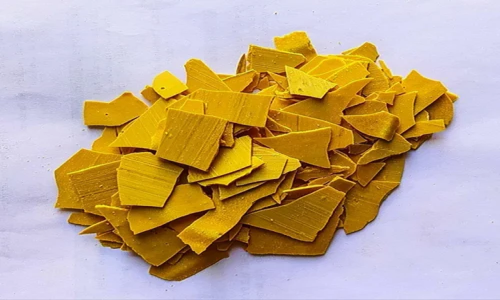
The most well-known use is in diagnostic radiology. Barium sulfate is consumed as a contrast agent during X-rays of the digestive system. It coats the stomach lining, allowing clear visualization of internal organs.
Oil and Gas Drilling:
Barium salts, particularly barium sulfate, are used in drilling muds to lubricate drill bits and maintain pressure balance in deep wells.
Ceramics and Glass:
Barium carbonate improves glaze durability and helps reduce scumming in brick and tile manufacturing. In glassmaking, barium compounds enhance optical clarity and radiation shielding.
Fireworks and Pyrotechnics:
Barium nitrate and barium chlorate are key to producing brilliant green flames in fireworks and explosives.
Electronics:
Barium titanate is used in capacitors, thermistors, and piezoelectric devices, due to its high dielectric constant.
While some barium salts are relatively harmless (like barium sulfate), others are dangerously toxic. Soluble salts (e.g., barium chloride, barium nitrate) can cause:
Muscle weakness
Cardiac irregularities
Abdominal cramps
Nervous system disturbances
Handling Precautions:
Always use gloves, lab coats, and goggles.
Work in well-ventilated areas or under fume hoods.
Label and store barium salts in tightly sealed containers.
In case of spills or exposure, seek immediate medical attention.
Workplaces using barium salts should comply with OSHA or local occupational safety standards.
Barium salts can contaminate soil and water if disposed of improperly. Soluble salts like barium chloride and barium nitrate can leach into groundwater and harm aquatic organisms.
Environmental Effects:
Toxic to fish and amphibians
Reduces soil fertility
Bioaccumulates in ecosystems
Global Regulations:
EPA sets a safe limit of 2 mg/L for barium in drinking water.
REACH in Europe regulates and restricts hazardous barium compounds.
Proper disposal methods (e.g., chemical neutralization or hazardous waste facilities) are mandatory in many jurisdictions.